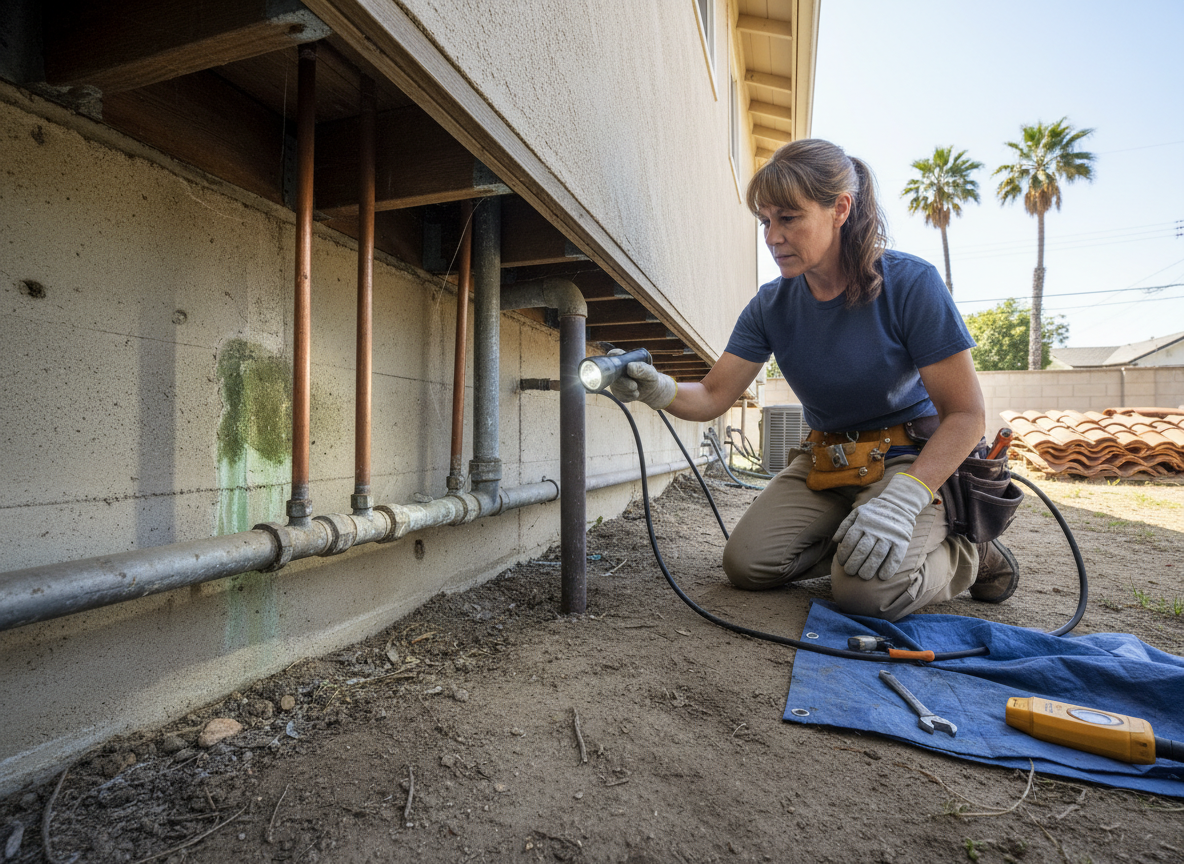
Imperial Beach sits right on the coast with low-lying streets like Seacoast Drive and Palm Avenue that sit close to the Tijuana River Estuary. Winter rains often push water from the estuary into yards and crawlspaces of older single-story homes built in the 1950s and 1960s. Our team leaves Chula Vista at 70 E J St and reaches these blocks via I-5 in under twenty minutes, bringing extraction equipment sized for the sandy soil that holds moisture longer than inland clay.
Salt air from the ocean accelerates corrosion on metal ductwork and electrical panels once water sits for even a day. We see this most often in homes east of the Imperial Beach Pier and near Border Field State Park where wind-driven rain soaks stucco walls. Drying plans here always include extra dehumidifiers and corrosion checks because the mild Mediterranean climate still leaves high humidity that slows evaporation compared with drier parts of San Diego County.
Around 3. Imperial Beach
We regularly work near:
- 📍Imperial Beach Pier
- 📍Tijuana River National Estuarine Research Reserve
- 📍Border Field State Park
- 📍Seacoast Drive
- 📍Naval Outlying Field Ream
Water Damage Restoration in 3. Imperial Beach — Local Notes
- •Sandy soils around the Tijuana Estuary retain water longer, requiring extended drying times after estuary overflows.
- •Older beach cottages on Seacoast Drive often have shallow crawlspaces that flood first during winter rains.
- •Salt-laden air near the pier speeds corrosion on HVAC and wiring once moisture is introduced, changing drying protocols.
- •Traffic on Palm Avenue and I-5 from National City and San Diego can delay equipment arrival during peak commute hours.